When I first stepped into the endoscopic system supply business eight years ago, I quickly learned that quality isn’t just a buzzword for us—it’s the difference between a gastroenterologist catching a pre-cancerous polyp in time and a procedure that falls short because the image is blurry. As a supplier, our entire team lives and breathes making sure every system we send out meets the highest standards, because we know the stakes: patients’ lives depend on these tools. Today, I want to pull back the curtain on how we do it, not just from a factory checklist, but from the boots-on-the-ground perspective of someone who’s stood next to clinicians during a trial and watched a tech troubleshoot a system at 2 a.m. in a rural hospital. Endoscopic System
The first line of defense in ensuring endoscopic quality is choosing the right components, and this isn’t a place where we cut corners. Let’s start with the camera core—this is the eye of the endoscope, and cheap sensors can mean grainy images that make it hard to distinguish between a benign ulcer and something more serious. Early on, we made a mistake here: we tried saving a few thousand dollars on a lower-tier sensor for a mid-tier system, and within six months, we were getting calls from three clinics saying they were missing small lesions. That’s when we realized: every component has to be validated for clinical accuracy, not just listed with a spec sheet. We work with sensor manufacturers who have a track record of supplying medical-grade tech, not just consumer electronics, and we run our own tests to confirm image resolution, color accuracy, and low-light performance. For example, we test image quality using standardized tissue phantoms—synthetic models that mimic human tissue, polyps, and ulcers at different depths—to make sure the camera can pick up a 2mm polyp even in a darkened gastric cavity. It’s tedious, but when a doctor tells us they found a lesion they would have missed with a previous system, it’s worth it.
Next, the optical assembly—this is the lens system that directs light to the camera and transmits images to the monitor. We source glass from a specialized medical optics supplier, not the same people who make camera lenses for smartphones. Smartphone lenses use coatings for glare reduction, but endoscopic lenses need anti-reflective coatings that work specifically for the narrow light spectrum used in medical endoscopes, and they have to be scratch-resistant because endoscopes go through multiple cleaning and sterilization cycles. We also test the flexibility of the insertion tube—this is the part that goes inside a patient, and if it’s too stiff, it can cause discomfort or even damage to the intestinal wall. We work with our manufacturing team to adjust the braided core of the tube, doing hundreds of trial bends on a test bench until we get the right balance of flexibility and durability. Last year, we added a new test where we run the insertion tube through a model of the colon that replicates real anatomical twists—we measure the force needed to navigate curves, and we won’t approve any design that exceeds a clinically safe threshold.
But components only get you so far; it’s the assembly process where quality really stays consistent. We’ve all heard horror stories of medical devices that work in a clean room but fail once they leave the factory, so we run our assembly line to ISO 13485 standards—the gold standard for medical device quality management. That means every tech on the line is trained specifically for endoscopic assembly, not just general device building. For example, the working channel—this is the tube that lets doctors pass tools like biopsy forceps—has to be perfectly aligned with the rest of the endoscope’s channels. If it’s even a millimeter off, tools can get stuck, which ruins a procedure. Each assembly station has a dedicated quality check: after inserting the working channel, the tech pulls a calibrated test tool through it to measure friction and resistance, and only if it meets our threshold does the endoscope move to the next step. We also use traceability tags on every component, so if a system ever needs to be recalled or serviced, we can track exactly which sensor and lens went into it, who assembled it, and when it was tested. This level of traceability isn’t required for all mid-tier systems, but we do it because it gives our clients peace of mind.
Once a system is assembled, the real testing begins—functional and clinical validation. We don’t just plug it in and check that the light turns on. Our functional testing includes running a full suite of diagnostics: checking for image lag, ensuring the auto-focus works consistently across different tissue types, testing the suction and irrigation functions (critical for keeping the field of view clear during procedures), and verifying that the sterilization process won’t damage any internal components. For example, we test the insertion tube’s resistance to autoclaving by running it through 50 simulated sterilization cycles, then checking for leaks or structural damage. We also do stress testing on the umbilical cord—the bundle of cables and tubes connecting the endoscope to the processor and monitor—because that’s the part that takes the most wear from being coiled, stretched, and pulled during use.
But the most important part of our testing is clinical validation, and this is where we partner with gastroenterologists and endoscopy nurses to put our systems through real-world use. We work with five test clinics across the country, from large academic medical centers to small community hospitals, and we send our systems there for 90-day trials before we launch any new model. During these trials, our clinical specialist (someone who used to work as an endoscopy nurse, not just a sales rep) is on-site a few days a week, talking to clinicians about what works and what doesn’t. Last year, when we were testing a new flexible sigmoidoscope, the gastroenterologists at one community clinic told us they were struggling with the light intensity in the distal tip—it was too dim for obese patients, who make up a larger portion of their patient population. Instead of dismissing that as a one-off issue, we went back to our design team and adjusted the LED light source’s output, adding a fine-tuning feature that lets clinicians boost light intensity for specific patient needs. That’s the kind of feedback you can’t get from a factory test bench, and it’s what makes our systems actually useful for the people using them.
Quality doesn’t stop when a system is delivered to a clinic. Our after-sales support is a huge part of ensuring ongoing quality, because even the best systems can have issues from regular use or improper maintenance. We have a team of field service engineers who are on call 24/7 for our clients, and we offer on-site training for every clinic that buys our systems. We don’t just teach clinicians how to use the controls—we train their staff on basic troubleshooting, like how to clean the lens correctly to avoid smudges that can affect image quality, and how to perform quick checks for common issues like air leaks. For example, many endoscope damages happen during reprocessing, when staff use the wrong cleaning solution or don’t flush the channels properly. We’ve created a 15-minute reprocessing checklist tailored to our systems, and we send it to every clinic, along with a short video that our clinical specialist helped create. Last quarter, we heard from a clinic that had an air leak in a system they’d had for two years—their staff hadn’t realized that a small O-ring in the distal tip needed to be replaced every 50 uses. Our field engineer went out, replaced the O-ring, and walked the staff through the maintenance schedule, so the issue never came back.
We also track system performance over time, using data from each system’s traceability tag. Every time a service call comes in, we log the issue, the system’s age, and the clinic’s location. We’ve found that systems used in clinics with higher patient volumes tend to need more frequent O-ring replacements, so we send our clients in those areas a reminder a month before the O-ring’s recommended replacement. We also use this data to improve our design: last year, we noticed a spike in service calls related to cable damage, so we strengthened the outer insulation on the umbilical cord and reduced the number of bends that happen during normal use, which cut cable issues by 40% within six months.
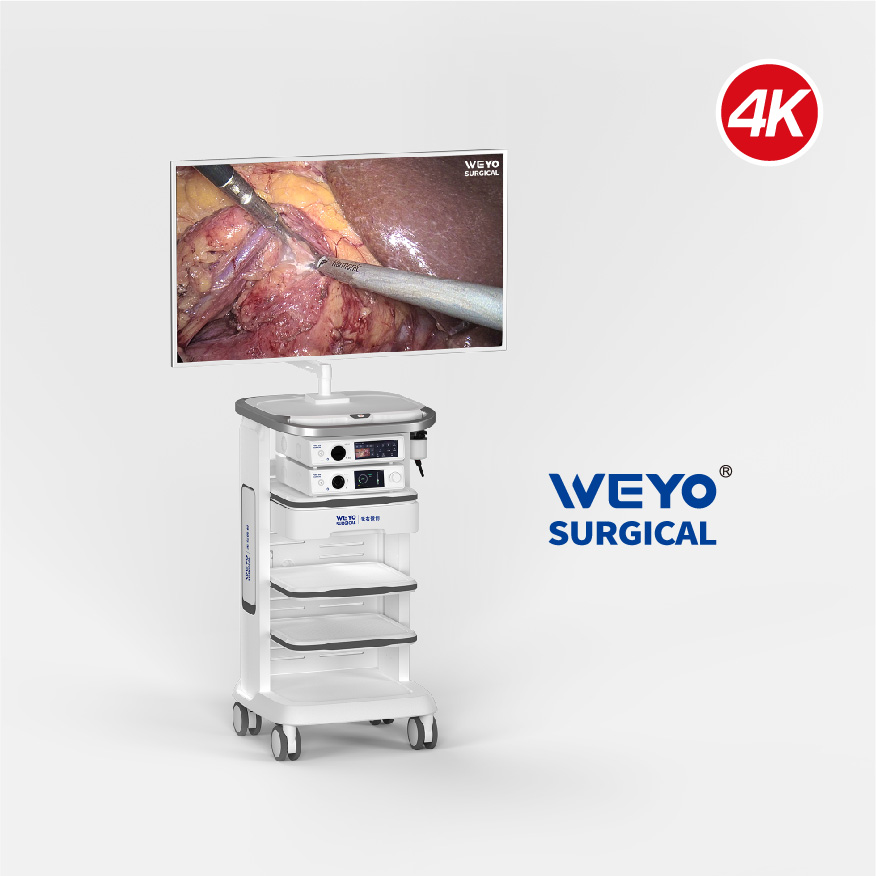
As a supplier, we know that every clinic has different needs: a small rural clinic might need a durable, easy-to-use system with a lower price point, while a large academic center needs a system with the highest image resolution for complex procedures. That’s why we don’t have a one-size-fits-all quality standard—we tailor our approach to each client. For example, we have a basic model for clinics that focus on routine screenings, which uses a solid core insertion tube for extra durability, and a premium model for complex procedures, which has a 4K camera and advanced image enhancement software that highlights abnormal tissue. Both models go through the same strict testing and validation, but the components are matched to the clinic’s specific use case.
I’ll be honest: ensuring quality isn’t easy. There are days when we have to scrap a batch of 20 endoscopes because a single component failed a test, which costs us time and money. There are times when we have to push back on a client who wants a faster delivery, because we know we can’t rush the testing process without compromising safety. But when we get a email from a clinic saying that their use of our system has improved their polyp detection rate by 25%, that’s why we do it. Our job isn’t just to sell a product—it’s to give clinicians the tools they need to provide the best possible care.
Endoscopic System If you’re a clinic administrator or procurement manager looking for an endoscopic system that’s built with quality at every step, we’d be glad to discuss your needs and show you how our systems can support your team.
References
- International Organization for Standardization. ISO 13485:2016, Medical Devices — Quality Management Systems — Requirements for Regulatory Purposes.
- American Society for Gastrointestinal Endoscopy. (2021). Quality Standards for Flexible Endoscopy Equipment and Reprocessing.
- Food and Drug Administration. (2022). Medical Device Quality Assurance: Best Practices for Endoscopic Systems.
- European Society of Gastrointestinal Endoscopy. (2020). Guidelines for the Selection and Maintenance of Endoscopic Imaging Systems.
- Clinical Engineering Association. (2019). Validation Testing for Endoscopic Camera and Optical Components.
Jiangsu Bonss Medical Technology Co., Ltd.
As one of the most professional endoscopic system manufacturers and suppliers in China, we’re featured by quality products and good price. Please rest assured to buy bulk endoscopic system for sale here from our factory. Customized orders are welcome.
Address: Building #7,No.898,China Medical City Avenue, Haling District, Taizhou City.Jiangsu P.R. China
E-mail: inquiry@plasma-surgical.com
WebSite: https://www.bonssmedical.com/
