As a supplier of Chlorella vulgaris, I’ve often been asked whether it’s a good source of omega – 3 fatty acids. This question is not only relevant to health enthusiasts but also to those in the nutraceutical and food industries. In this blog post, I’ll dive deep into the science behind Chlorella vulgaris and its omega – 3 content. Chlorella Vulgaris

Understanding Chlorella Vulgaris
Chlorella vulgaris is a single – celled green algae that has been used for centuries in some cultures for its nutritional benefits. It’s rich in proteins, vitamins, minerals, and antioxidants. This tiny organism thrives in freshwater environments and can reproduce rapidly under the right conditions. Its high nutritional profile has made it a popular ingredient in dietary supplements, health foods, and even some beauty products.
The cell wall of Chlorella vulgaris is one of its remarkable features. This tough cell wall protects the algae from the environment and also contains substances that have potential health benefits. However, it also means that proper processing is required to make the nutrients inside the cell more accessible to the human body.
Omega – 3 Fatty Acids: An Overview
Omega – 3 fatty acids are a group of polyunsaturated fatty acids that are essential for human health. The three main types of omega – 3 fatty acids are alpha – linolenic acid (ALA), eicosapentaenoic acid (EPA), and docosahexaenoic acid (DHA). ALA is found mainly in plant sources, while EPA and DHA are primarily found in fatty fish and certain marine algae.
These fatty acids play crucial roles in brain health, reducing inflammation, and maintaining a healthy heart. They are also important for fetal development during pregnancy and breastfeeding. Given their numerous health benefits, there is a growing demand for natural sources of omega – 3 fatty acids, especially among vegetarians and vegans who may not consume fish.
Chlorella Vulgaris and Omega – 3 Fatty Acids
Research has shown that Chlorella vulgaris does contain omega – 3 fatty acids, specifically ALA. ALA is an important precursor to EPA and DHA in the human body. While the conversion rate of ALA to EPA and DHA is relatively low, it still contributes to the overall omega – 3 intake.
The exact amount of ALA in Chlorella vulgaris can vary depending on factors such as the growth conditions, the strain of the algae, and the extraction method. On average, Chlorella vulgaris contains a moderate amount of ALA compared to other plant sources. For example, flaxseeds are well – known for their high ALA content, but Chlorella vulgaris can still be a valuable addition to a diet looking to increase omega – 3 intake.
Some studies have also explored the potential for Chlorella vulgaris to be a source of EPA and DHA. However, the levels of EPA and DHA in Chlorella vulgaris are typically much lower than in marine algae that are specifically cultivated for these fatty acids. That being said, when combined with other dietary sources, Chlorella vulgaris can be part of an overall strategy to ensure sufficient omega – 3 consumption.
Advantages of Chlorella Vulgaris as an Omega – 3 Source
1. Sustainability
In an era where sustainable sourcing is a top priority, Chlorella vulgaris shines. It can be cultivated in controlled environments with relatively low resource requirements compared to traditional livestock or fish farming. This makes it an environmentally friendly option for obtaining omega – 3 fatty acids.
2. Nutritional Diversity
Chlorella vulgaris is not just a source of omega – 3 fatty acids. It also contains other essential nutrients such as vitamins (including vitamins A, C, E, and several B – vitamins), minerals (like iron, magnesium, and zinc), and antioxidants. This means that by consuming Chlorella vulgaris, you’re getting a broader spectrum of nutrients that work together to support overall health.
3. Suitable for Special Diets
For vegetarians and vegans, Chlorella vulgaris provides a plant – based source of omega – 3 fatty acids. It can help meet their nutritional needs without relying on animal products. Additionally, it’s a natural product and can be used in a variety of dietary formulations, making it suitable for those with food sensitivities or specific dietary restrictions.
Limitations of Chlorella Vulgaris as an Omega – 3 Source
1. Low Conversion Rate of ALA
As mentioned earlier, the conversion of ALA to EPA and DHA in the human body is relatively low. This means that while Chlorella vulgaris is a source of ALA, it may not be sufficient on its own to meet the recommended intake of EPA and DHA. Individuals who have a high demand for these fatty acids, such as pregnant women or those with certain health conditions, may need to supplement with other sources of EPA and DHA.
2. Variable Nutrient Content
The omega – 3 content in Chlorella vulgaris can vary significantly. Different cultivation methods, water quality, and processing techniques can all affect the amount of ALA present in the final product. This variability can make it challenging for consumers and manufacturers to accurately dose the product for optimal omega – 3 intake.
Incorporating Chlorella Vulgaris into the Diet
There are several ways to include Chlorella vulgaris in your diet. It is commonly available in the form of tablets, capsules, or powder. The powder can be easily added to smoothies, juices, or even sprinkled on top of salads or yogurt. When choosing a Chlorella vulgaris product, it’s important to look for high – quality sources that have been properly processed to break down the cell wall and ensure maximum nutrient availability.
Quality and Safety of Our Chlorella Vulgaris as a Supplier
As a supplier of Chlorella vulgaris, we take quality and safety very seriously. Our Chlorella vulgaris is cultivated in clean, controlled environments with strict quality control measures at every stage of production. We use advanced extraction methods to ensure that the nutrients, including omega – 3 fatty acids, are preserved and easily accessible.
We also conduct regular testing for contaminants such as heavy metals, pesticides, and microorganisms. This ensures that our product is not only nutritionally rich but also safe for consumption. Our commitment to quality makes our Chlorella vulgaris a reliable option for those looking to increase their omega – 3 intake.
Conclusion
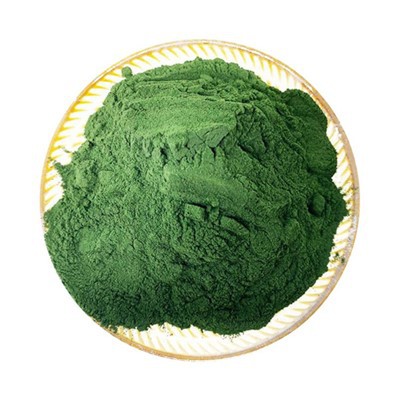
So, is Chlorella vulgaris a good source of omega – 3 fatty acids? The answer is yes and no. While it does contain ALA, which is a type of omega – 3 fatty acid, it may not be sufficient on its own to meet all of your omega – 3 needs, especially for EPA and DHA. However, its many other nutritional benefits, sustainability, and suitability for special diets make it a valuable addition to a balanced diet.
Chlorella If you’re in the nutraceutical, food, or health product industry and are interested in incorporating high – quality Chlorella vulgaris into your products, I encourage you to reach out. We can discuss how our Chlorella vulgaris can meet your specific requirements and help you provide a nutritious and sustainable option to your customers.
References
- Becker, E. W. (2007). Microalgae as a source of protein. Biotechnology Advances, 25(2), 207 – 210.
- Simopoulos, A. P. (2002). Omega – 3 fatty acids in health and disease and in growth and development. The American Journal of Clinical Nutrition, 71(1), 171S – 175S.
- Spolaore, P., Joannis – Castelli, C., Duran, E., & Isambert, A. (2006). Commercial applications of microalgae. Journal of Bioscience and Bioengineering, 101(2), 87 – 96.
Dongtai City Spirulina Bio-Engineering Co., Ltd.
As one of the most experienced chlorella vulgaris manufacturers and suppliers in China, we offer a wide range of products with superior quality. Please feel free to buy bulk chlorella vulgaris made in China here from our factory. Good service and reasonable price are available.
Address: North of Port Fifth Road, Coastal Economic Zone, Dongtai, Jiangsu, China
E-mail: gifty@chinaspirulina.com
WebSite: https://www.chinaspirulina.com/
