Hey everyone, let’s cut to the chase—if you’ve ever stood next to a substation transformer and wondered how it adjusts to keep the power in your neighborhood stable, there’s a small, game-changing part that makes it all work: the tap changer. As a substation transformer supplier who’s spent the last 12 years troubleshooting, installing, and tweaking these systems for utilities from Texas to Ontario, I get that most folks (even a lot of junior substation techs I train) glaze over when I mention tap changers. But here’s the thing: skip this part, and you might end up with blackouts, damaged equipment, or wild voltage swings that fry your commercial motors. Let’s break this down like we’re sitting in a service van after a long day, no stuffy jargon. Substation Transformer
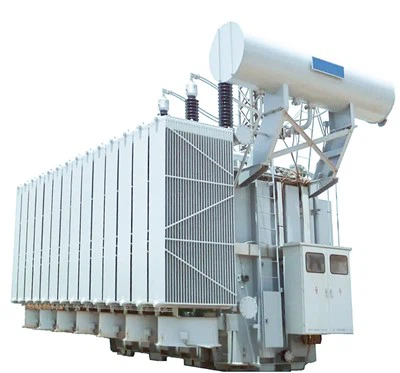
First, let’s circle back to what a substation transformer actually does, just to set the stage. Transformers take the super high voltage from transmission lines (like the 230,000V stuff you see strung between big steel towers) and step it down to the lower, usable voltage that feeds your local streets, schools, or factories. But here’s the problem: that high-voltage transmission power isn’t perfect. Power lines stretch for hundreds of miles, so by the time juice gets to your local substation, the voltage drops or spikes depending on how much power everyone’s using. Crank up ACs on a 100-degree day? Voltage dips hard. Mid-summer night when businesses shut off heavy machinery? It spikes. A fixed transformer can only output one voltage, so if you don’t adjust for those swings, things go sideways fast.
Enter the tap changer. Think of it like a volume knob, but way more precise and way less likely to skip. It’s a set of electrical connections (called taps) on the transformer’s copper winding—those coiled wires that actually convert voltage—each tied to a different number of winding turns. More turns = higher voltage; fewer turns = lower voltage. The tap changer flips between these taps to tweak the winding’s total turns, adjusting the output voltage to stay right where it needs to be. No more too-high frying your fridge, no more too-low making your factory equipment lock up mid-shift.
Now, there are two main types of tap changers, and I’ve seen both save the day and cause headaches when they’re messed with. The first is an on-load tap changer (OLTC)—this is the workhorse you’ll find on almost all modern substations. The cool thing about OLTCs is they can adjust taps without turning off the power. That’s non-negotiable for big substations where a 10-minute outage costs a manufacturing plant $100k or more. The OLTC has that fancy switching mechanism that shifts between taps while arcing (the tiny spark that happens when electrical connections move) is snuffed out by either oil or a vacuum chamber. I once had a utility client in Chicago whose OLTC failed during a July heatwave—we swapped it out in 90 minutes flat, but that outage would’ve been a multi-million dollar hit to local businesses. Fast, reliable OLTCs are non-negotiable, and that’s why as a transformer supplier, we spec top-tier components from companies that don’t cut corners on the switching parts.
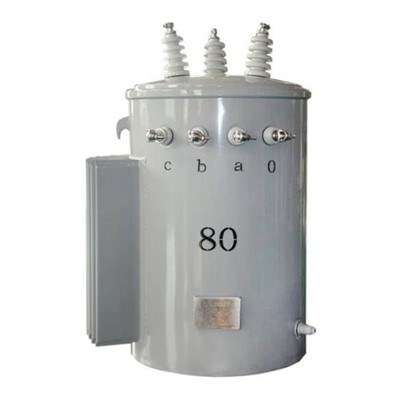
The second type is a de-energized tap changer (DETC)—way simpler, but it only works when the transformer is totally dead, no power flowing at all. You’ve seen these on smaller, older substation transformers or even some pole-mounted units. You gotta shut down the whole sub, lock it out tag it, and a tech has to physically open the transformer’s cover to flip the tap selector. For small, low-use areas like a rural substation that only serves a couple hundred homes, this is fine—you can adjust taps once a month when demand is slow. But if you’re feeding a city of 50k people? A full shutdown isn’t an option, so DETC’s are basically obsolete for most modern substations.
Here’s the part most new substation folks don’t know: tap changers don’t just adjust voltage on a schedule. They have to talk to a substation’s SCADA system—you know, that remote monitoring setup that lets utilities track voltage, load, and faults from a control room. A good OLTC will sync with SCADA to adjust taps automatically every few minutes, or even let a control room operator flip it manually if there’s a spike from a storm or a line fault. I once had a client in Alberta whose SCADA flagged a voltage dip during a wind gust that dropped one of their transmission lines—our OLTC adjusted taps in 2 seconds flat, and no one in the city even noticed a blip. That’s the magic of it.
Now, let’s talk about common issues I see with tap changers, because even the best ones break. The number one problem? Contamination. The OLTC is submerged in transformer oil, right? If that oil gets dirty with moisture, dust, or debris from the winding, it can mess up the switching mechanism or cause arcing that damages the taps. Last year we did a full rebuild on a 138kV substation transformer in Florida—their OLTC oil had so much saltwater in it from a hurricane that the switching contacts were corroded all the way through. The client thought the transformer itself was dead, but it was just a $8k tap changer fix instead of a $500k whole transformer replacement. Always test that OLTC oil annually, folks—we include that check in our maintenance packages when we supply new transformers, because it’s way cheaper than a full replacement.
Another big issue is mechanical wear. The switching mechanism on an OLTC moves thousands of times over its lifespan, and if you don’t lubricate or calibrate it, parts will wear down. I had a utility in Ohio that skipped calibrating their OLTC for 7 years—by the time we showed up, the tap selector was skipping taps, so their voltage was swinging 10% higher than it should have been, which was overloading the substation’s capacitor banks. By the time they caught it, they’d blown 3 capacitors—another $15k repair, all because they ignored a $200 calibration check. As a supplier, we include a 1-year calibration service with every new transformer we sell, because I’ve seen way too many clients learn the hard way that skipping tap changer maintenance is a false economy.
Wait, let’s get back to why this matters for you, not just the tech guys. If you’re a utility manager, industrial plant engineer, or even a municipal electric coordinator, your substation transformer’s tap changer is the difference between a smooth operation and a crisis. Let’s say you’re a food processing plant—you run big conveyor belts and refrigeration units that can’t take voltage spikes. A bad tap changer can cause those belts to stall, ruining a whole batch of product, or fry your refrigeration compressors, costing you tens of thousands in downtime. Or if you’re a municipal manager, a substation outage from a dead tap changer can mean traffic lights go dark, water treatment plants shut down, and emergency services get tied up fixing the mess instead of helping people. That’s why when we design a transformer for a client, we don’t just pick the biggest unit—we spec the right tap changer size, type, and features to match their load. For example, a data center substation needs an OLTC with ultra-fast switching, so their servers never see a blip, while a small rural substation can use a reliable DETC to save costs without sacrificing safety.
I know a lot of suppliers try to hype up the fancy stuff—core design, insulation tech, whatever—but tap changers are the unsung hero of substation transformers. You can have a perfect winding and insulation system, but a bad tap changer will make the whole transformer useless. That’s why we spend more time testing tap changers in our factory than most other suppliers—we run thousands of switching cycles, test oil contamination levels, and simulate real load conditions to make sure the thing won’t fail when you need it most. Last year we had a client in Arizona that ordered transformers for a new 50,000-home development—they initially went with a cheaper tap changer from a no-name supplier, and when we did a pre-delivery test, we found their OLTC had a 20% failure rate under peak desert load. We worked with their engineering team to swap it for our preferred component, and they didn’t have to deal with costly delays when the development launched.
Let’s also clear up a myth I hear all the time: tap changers only adjust voltage for load changes. No, they also fix voltage drops from things like remote transmission lines, or even from a capacitor bank that goes offline. I once had a client in Wyoming whose substation’s main capacitor bank failed during a cold snap—they needed to pick a tap that added 5% voltage to make up for the lost reactive power, and their SCADA-connected OLTC did it automatically in 30 seconds. If they’d had a DETC, they would’ve had to shut down the whole sub to flip the tap, and in the middle of a cold spell, that would’ve been a disaster for all the homes heating with electric furnaces.
So, if you’re in the market for a new substation transformer, or you’re looking to upgrade an old one, don’t sleep on the tap changer. It’s not a tiny, forgotten part—it’s the thing that keeps your power stable, prevents downtime, and saves you from costly repairs. As a substation transformer supplier with 12 years in the field, I’ve seen every mistake you can make with tap changers, and I build our transformers to avoid all of them. We don’t cut corners on tap changer quality, we include regular maintenance checks, and we can customize the tap changer type and features to fit exactly what your system needs.
If you’re dealing with a faulty tap changer, looking to upgrade your substation’s transformer system, or just have questions about how tap changers work for your specific site, hit us up to connect for procurement discussions. We’re here to help you avoid the headaches I’ve seen so many clients go through, and make sure your power runs smooth, no matter the load or conditions.
Power Transformer References
- IEEE Std C57.119-2018, Guide for Distribution Transformer Tap Changers and Load Tap Changers
- Substation Transformer Design and Application, EPRI Press, 2020
- Practical Maintenance of Power Transformers and Tap Changers, McGraw-Hill, 2019
Nantong Yawei New Energy Technology Co., Ltd.
As one of the most professional substation transformer manufacturers and suppliers in China, we’re featured by quality products and good service. Please rest assured to wholesale durable substation transformer made in China here from our factory. Customized orders are welcome.
Address: Room 28-101, Building 27 and 28, No.333 Kaiyuan Avenue, Sunzhuang Subdistrict, Hai’an City, Nantong City, Jiangsu Province, China
E-mail: admin@nantongyawei.com
WebSite: https://www.nantongyawei.com/
