If you’ve ever walked the aisles of a bustling warehouse late at night, watching a stack of palletized goods slide smoothly 30 feet up to a high shelf, or seen a retail stock team quickly restock a hypercenter’s overstock bay without knocking over a single display, chances are you were watching a reach forklift at work. For years, as a forklift supplier who’s spent more time troubleshooting with warehouse managers than writing product spec sheets, I’ve noticed that reach forklifts are often misunderstood—many people write them off as just “taller forklifts” that only work in big warehouse aisles. But over the past 12 years I’ve been in this business, I’ve seen these machines pop up in more unexpected places than I ever would have guessed, each time solving a problem that regular counterbalance forklifts just can’t touch. Today I want to break down the real, common situations where reach forklifts aren’t just useful—they’re the only tool that makes a job possible. Forklifts
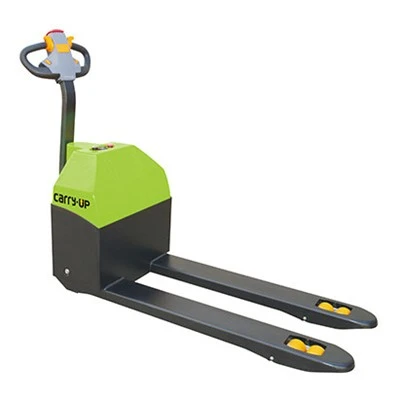
Let’s start with the most obvious, but often misused, scenario: narrow-aisle high-bay warehouses. If you’ve worked in supply chain at all, you know that warehouse space isn’t getting cheaper. Land values in most North American and European industrial hubs have gone up 47% since 2019, per industry data, and that means managers are scrambling to fit more stock into less floor space. A standard counterbalance forklift needs at least 10 to 12 feet of aisle space to turn a full pallet around and reach loads at 15 feet high—so for a 100,000-square-foot warehouse, that’s thousands of square feet wasted on empty aisles. A reach forklift, though? Its retractable mast lets it operate in aisles as narrow as 6 feet, cutting aisle space by half or more. I recently sold three new reach trucks to a cold-storage facility in Cincinnati that was planning to expand by 15,000 square feet to fit more frozen produce; instead, they reconfigured their existing 50,000-square-foot space using reach forklifts and added an extra 20% more pallet positions. That’s the kind of win that makes managers call me up a month later to say, “I should have switched to reach forklifts five years ago.” But it’s not just big, new warehouses—small, family-run distribution centers use these too. Last year, a 20,000-square-foot craft beer distributor in Indianapolis bought two used reach forklifts to swap out their old counterbalance models; they told me they could now store 12 more pallets of craft cans, which had them ready for the summer tourist rush without renting extra space.
Another situation you might not hear talked about enough: retail and big-box store backrooms and stock areas. A few months ago, I got a frantic call from a general manager at a major home improvement chain’s Atlanta location. Their old forklift had broken down on a Saturday, and they had 20 pallets of lawn furniture and patio grills waiting to be stocked in the second-level stock bay that afternoon. The counterbalance forklift they’d tried to rent was too big to fit through the 7-foot-wide backroom door. I sent one of my service drivers to drop off a compact reach forklift, and by 4 p.m., all the pallets were stacked up in the bay ready for floor teams to unload. This isn’t an accident of size—retail stock areas were never designed for large, bulky industrial forklifts. Most big-box backrooms have low ceilings, narrow entry points, and tight quarters where you need to move pallets sideways or turn on a dime to avoid overstock displays. I’ve also seen reach forklifts used in grocery store distribution centers that handle perishables. Last quarter, a regional grocery chain in Detroit switched all their pallet moving in their central distribution center to reach forklifts, because their aisles are only 6.5 feet wide and they often need to move pallets of berries or dairy that need to stay level during transport and stacking—something reach forklifts’ synchronized mast design makes way easier to do than with older-style lift trucks.
Then there’s the less obvious one: manufacturing facilities with high-density raw material storage. A lot of production managers don’t realize that reach forklifts aren’t just for finished goods—they work great for raw materials like lumber, plastic pellets, or metal sheets that need to be stored above the ground to keep them dry and out of harm’s way. A custom furniture maker in Portland, Oregon, reached out to me last year because their old forklift was leaving dents in the soft pine boards they stored, and they were running out of space in their 30,000-square-foot production facility. I suggested a very narrow reach forklift with soft rubber forks that don’t mark wood, and they can now store pine boards up to 40 feet high in their existing space, instead of renting a separate storage unit 10 minutes down the road. That saved them about $1,800 a month, and they haven’t had to replace a single dented board since. Even auto parts manufacturers use reach forklifts—just last week, I spoke to a small auto parts plant in Cleveland that stores pallets of brake pads and wiring harnesses 35 feet high, because they don’t want their raw materials taking up floor space that’s needed for assembly lines. A standard counterbalance forklift can barely reach 20 feet, so there’s no way they’d be able to operate without reach trucks.
Wait, let’s not forget about specialized situations: dock operations and cross-docking. Cross-docking is that fast-paced logistics practice where goods are unloaded from a delivery truck and immediately loaded onto another, with almost no storage in between. It’s huge for e-commerce and grocery distribution because it cuts down on warehousing costs, but it requires forklifts that can move extremely heavy pallets quickly and safely, even in tight spaces. Reach forklifts are perfect here because they can handle full 4,500-pound pallets, and their ability to extend the mast forward to set a pallet right on a trailer dock means you don’t have to maneuver the whole truck around the trailer opening. Last holiday season, a major online retailer in Columbus used 12 reach forklifts in their cross-dock area to move 20,000+ pallets of toys and electronics in just two weeks. The operations manager there told me that using counterbalance forklifts would have cost them 10 extra days of loading time, which would have meant missing delivery windows for millions of customers. That’s the kind of impact reach forklifts have that you don’t read about in product brochures. Even smaller cross-dock operations, like local food distributors that move fresh produce between farms and grocery stores, use reach forklifts to avoid bruising delicate fruits and veggies—their smooth lift and reach action is way gentler than the jolting movement of older forklift models.
Now, I want to be honest with you: reach forklifts aren’t the right tool for every job. If you need to move pallets over long distances across a large, open warehouse, or lift extremely heavy loads (like 10,000-pound metal beams), a counterbalance forklift or a telehandler is a better fit. But for the situations I’ve outlined—narrow-aisle high-bay warehouses, tight retail backrooms, manufacturing raw material storage, cross-dock operations—they’re not just a good option; they’re often the only way to make a business work efficiently, save money on space, and avoid costly mistakes like damaged goods or missed deadlines.
Over the past few years, I’ve seen a lot of new tech added to reach forklifts, like lithium-ion batteries that charge in an hour, and ergonomic seats that reduce driver fatigue during long shifts, which has made them even more popular. But at the end of the day, the core reason they’re used in all these different situations is simple: they solve the problem of space. Every warehouse, every backroom, every manufacturing facility is fighting for more space, and reach forklifts let you use the space you already have more effectively, without spending money to build or rent extra space.
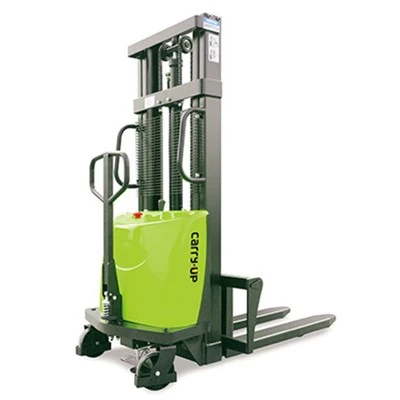
If you’re a warehouse manager, retail GM, or production supervisor who’s tired of wasting space, dealing with damaged goods, or missing deadlines because your forklift can’t fit or reach where you need it to, I’d love to talk through your specific needs. I’ve worked with businesses of all sizes, from small family shops to large national chains, and I can help you figure out if a reach forklift (or another type of lift truck) is the right fit for your operation. We don’t do one-size-fits-all here, so just reach out to discuss how we can support your material handling needs.
Electric Pallet Truck References
Material Handling Industry Association. (2023). Narrow-Aisle Lift Truck Market Report. MHIA.
U.S. Census Bureau. (2024). Industrial Warehouse Space and Cost Trends. U.S. Department of Commerce.
National Retail Federation. (2023). In-Store and Backroom Operations Best Practices. NRF.
Hangzhou Carry Equipment Co., Ltd.
Hangzhou Carry Equipment Co., Ltd. is one of the most professional forklifts manufacturers and suppliers in China, also supports customized service. Please feel free to buy advanced forklifts for sale here and get quotation from our factory. For price consultation, contact us.
Address: No.360 Tongxiang Rd., Yinzhou Economic Development Zone, Yinzhou Dist., Ningbo, China
E-mail: Sales@carryupmhe.com
WebSite: https://www.carrymhe.com/
